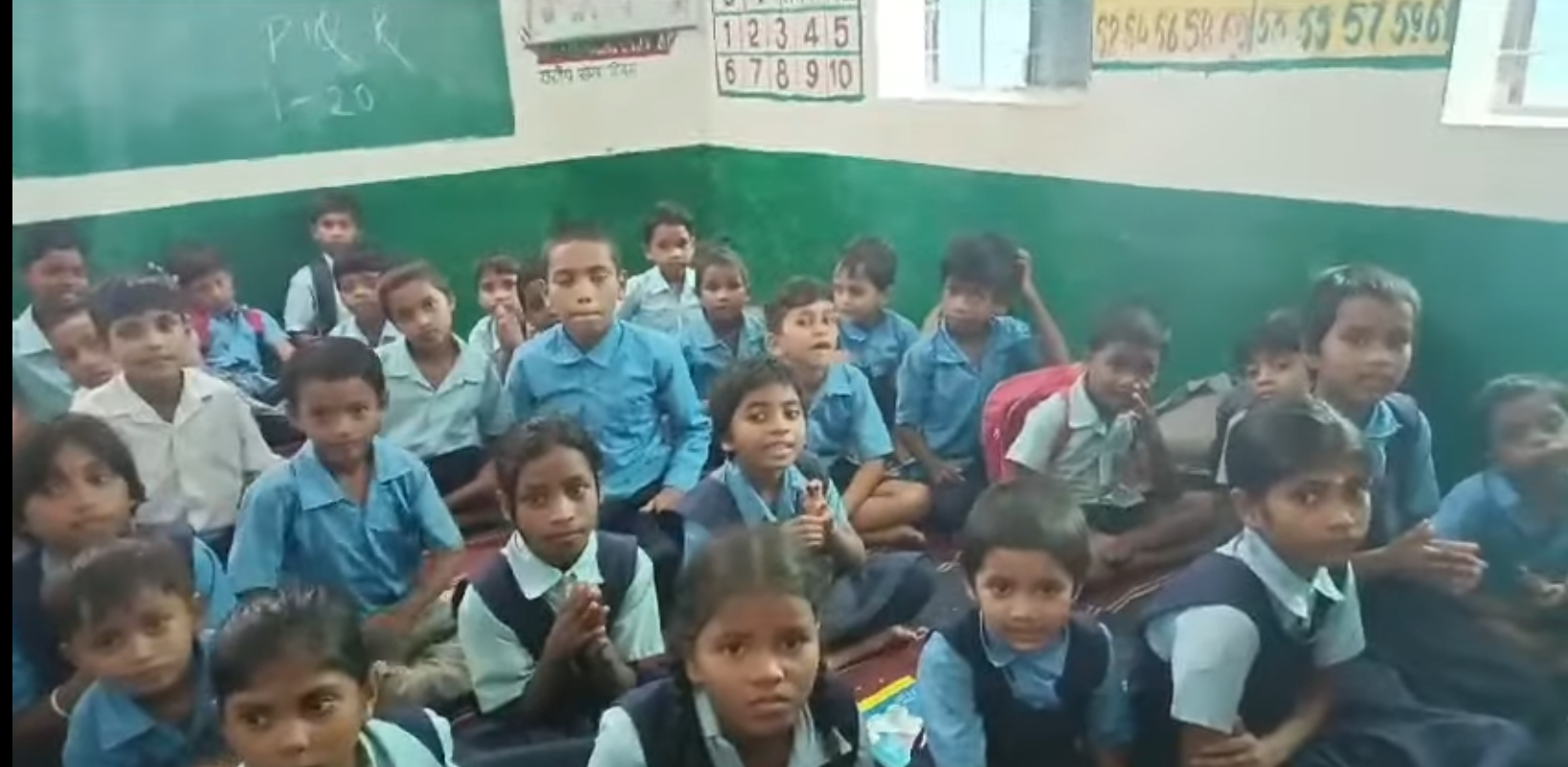
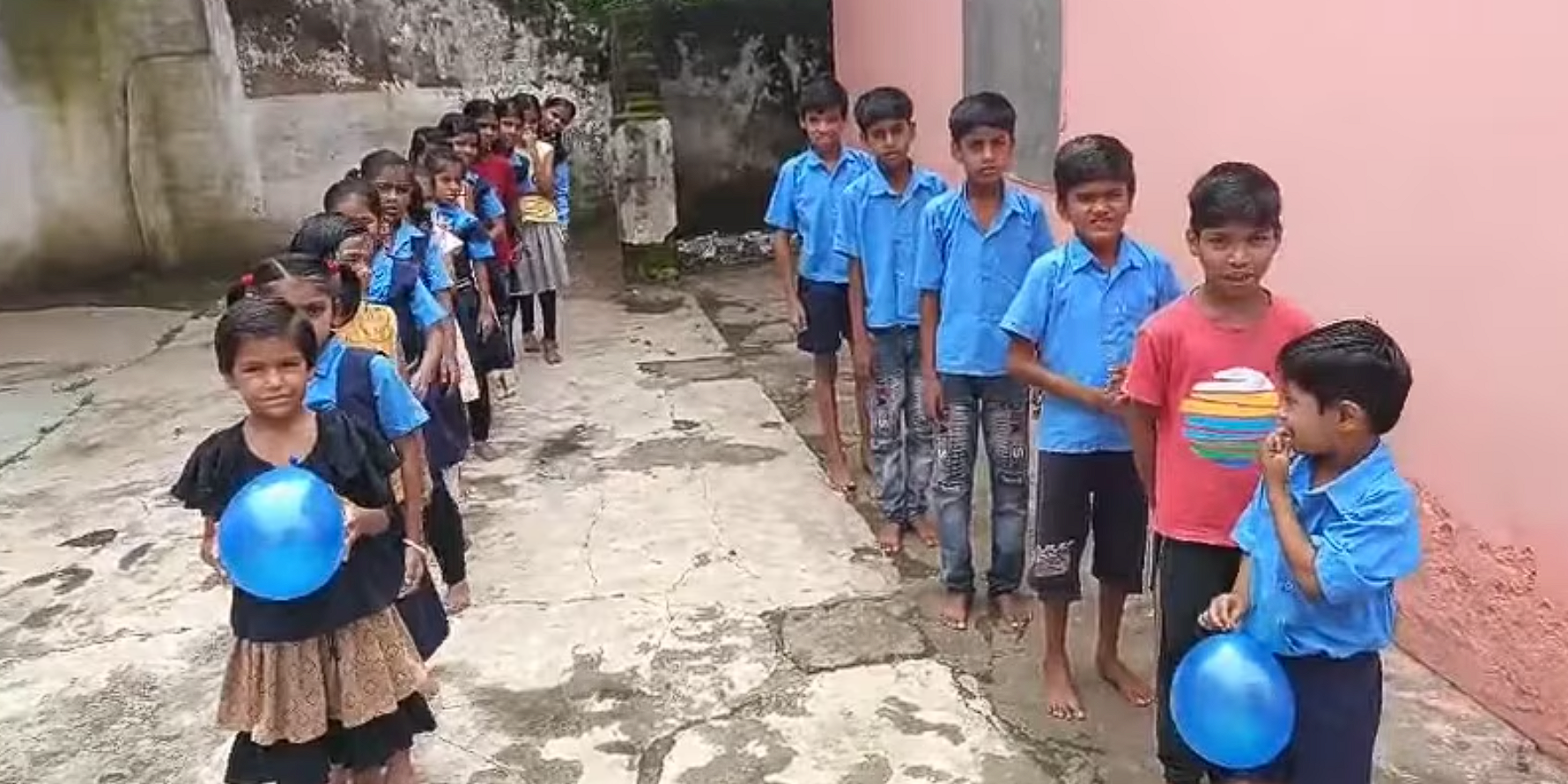
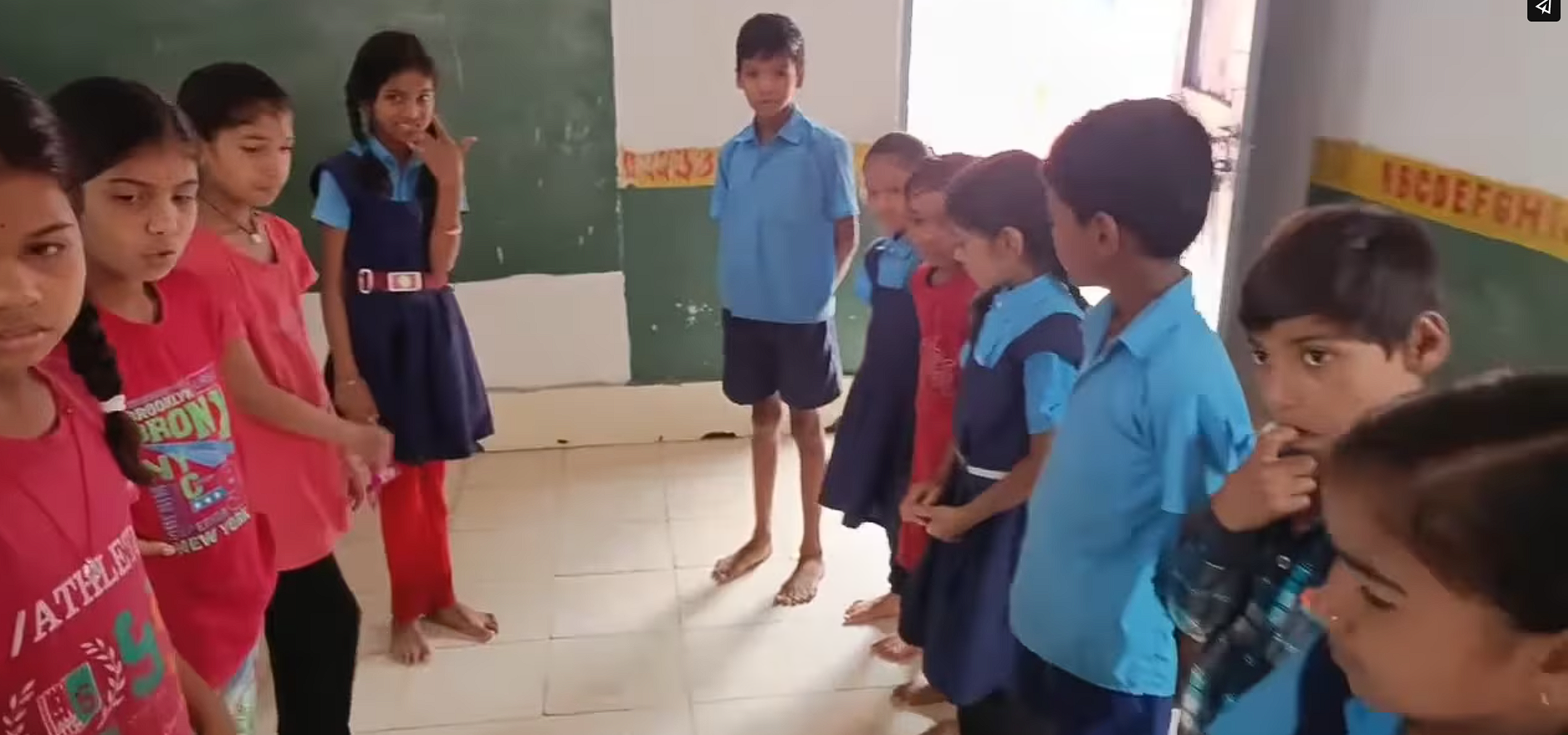
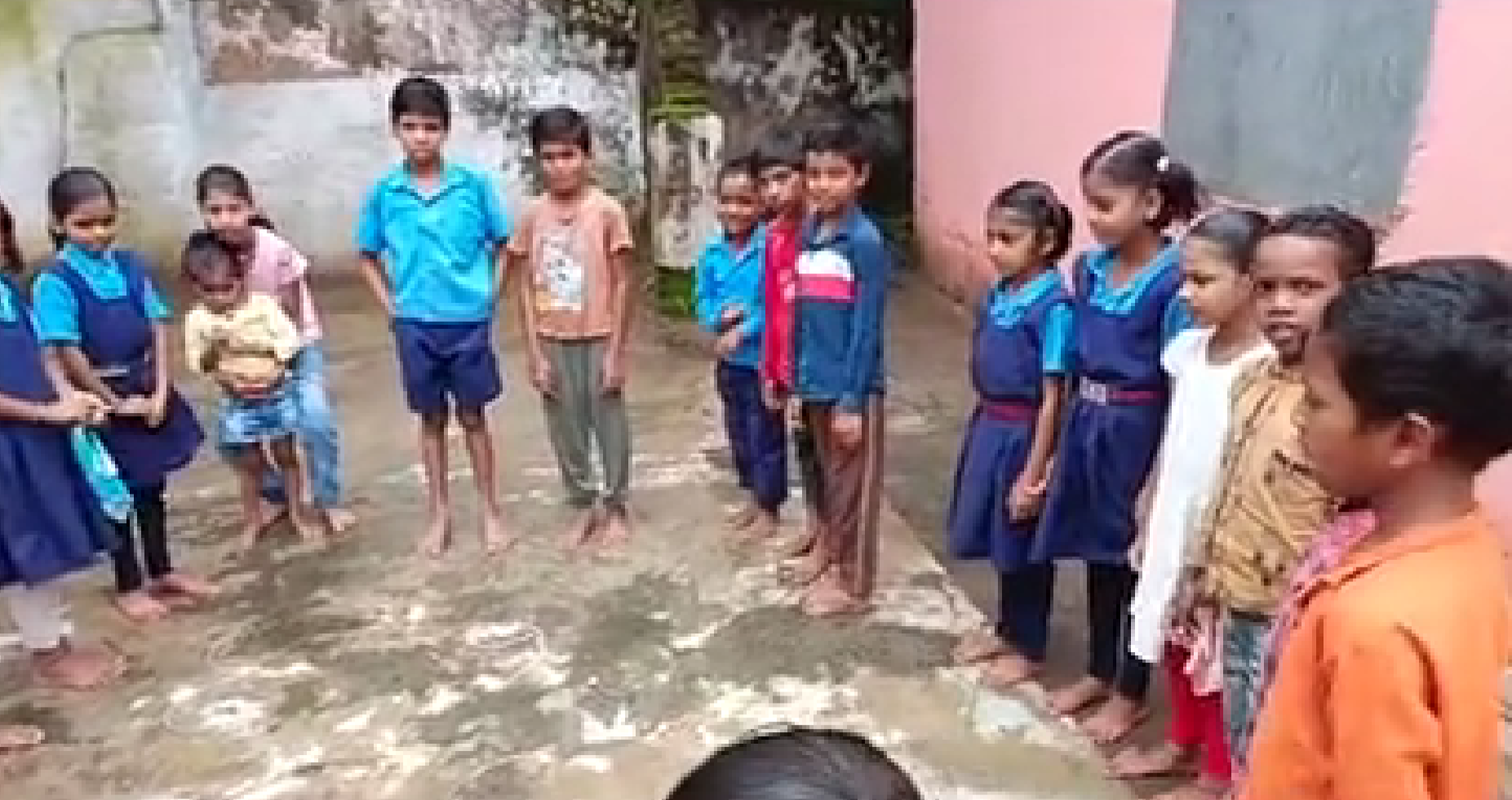
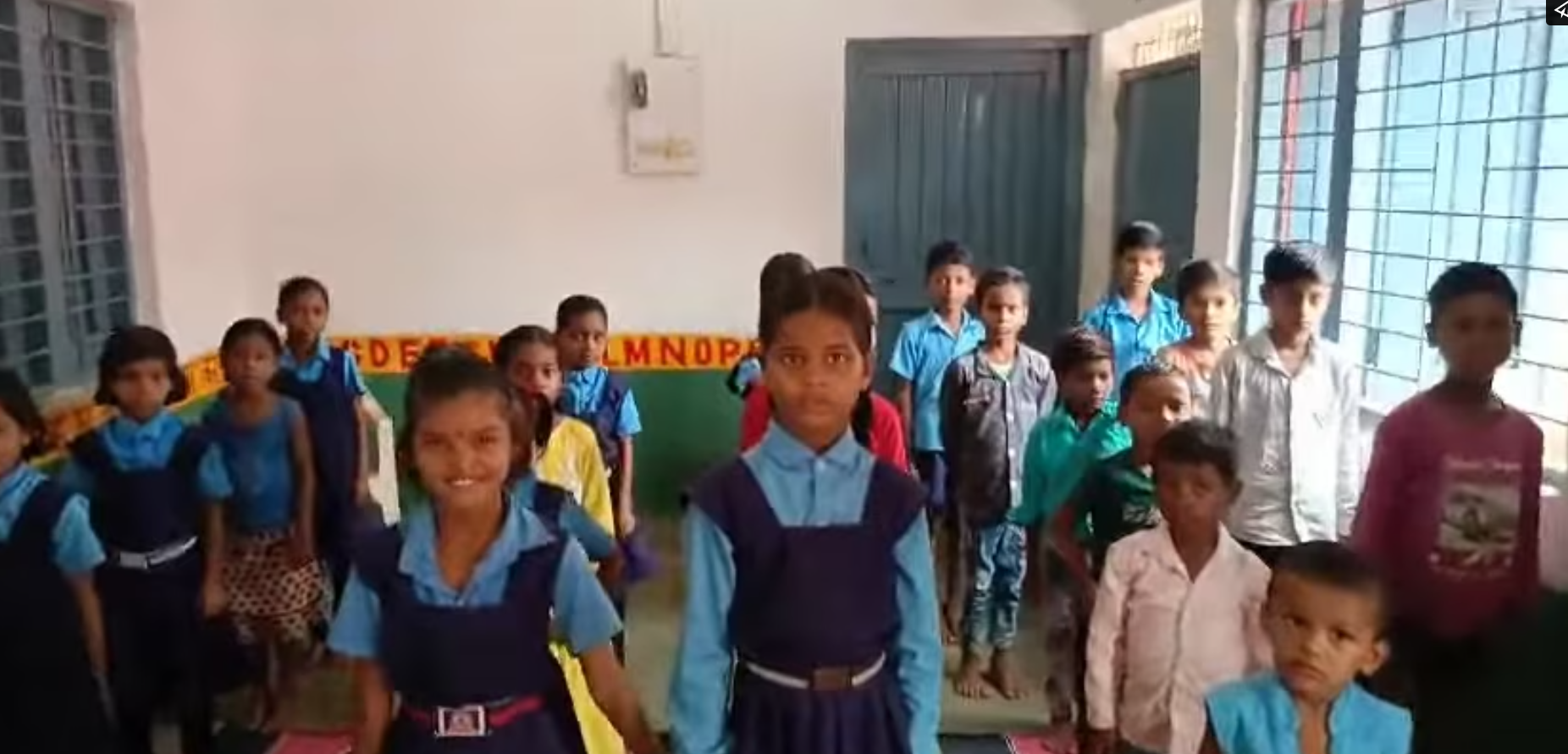
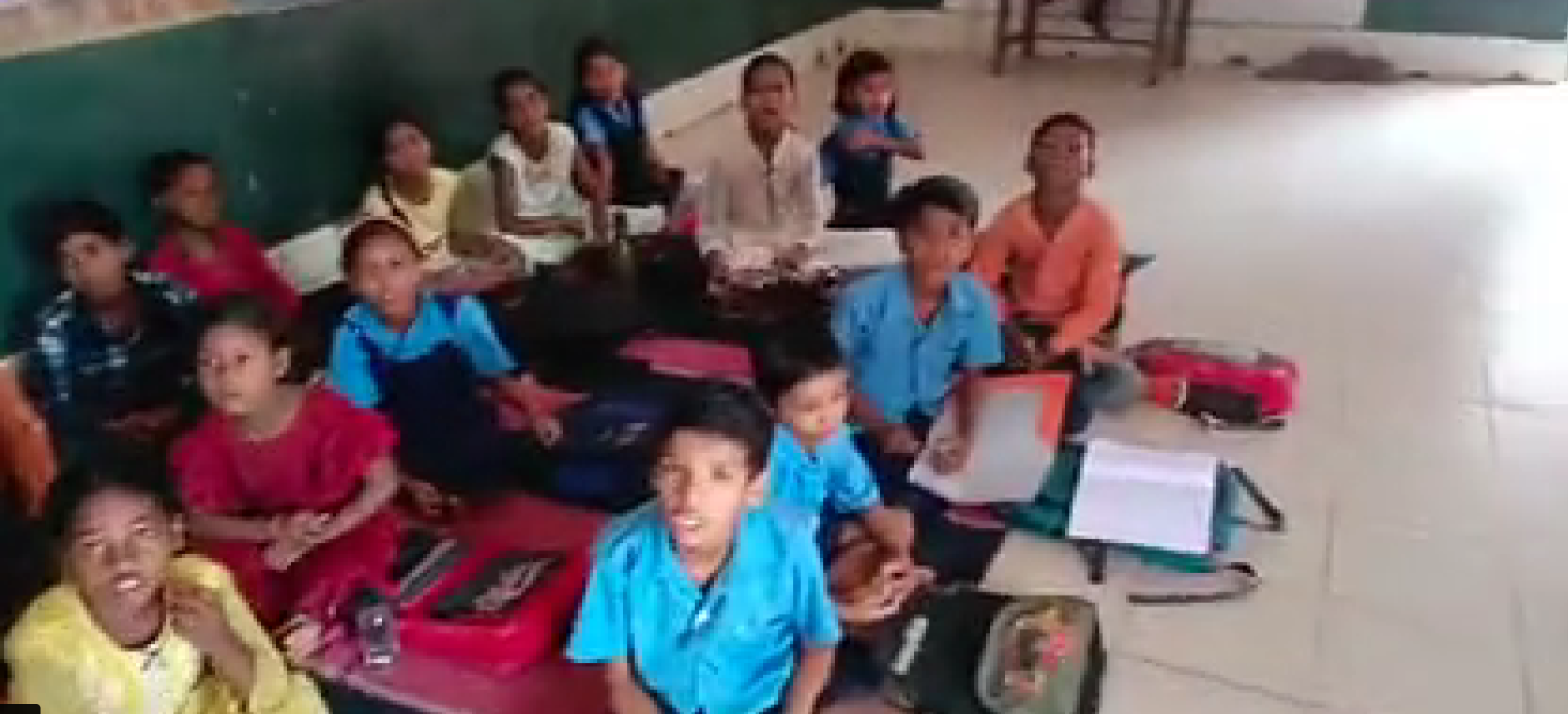
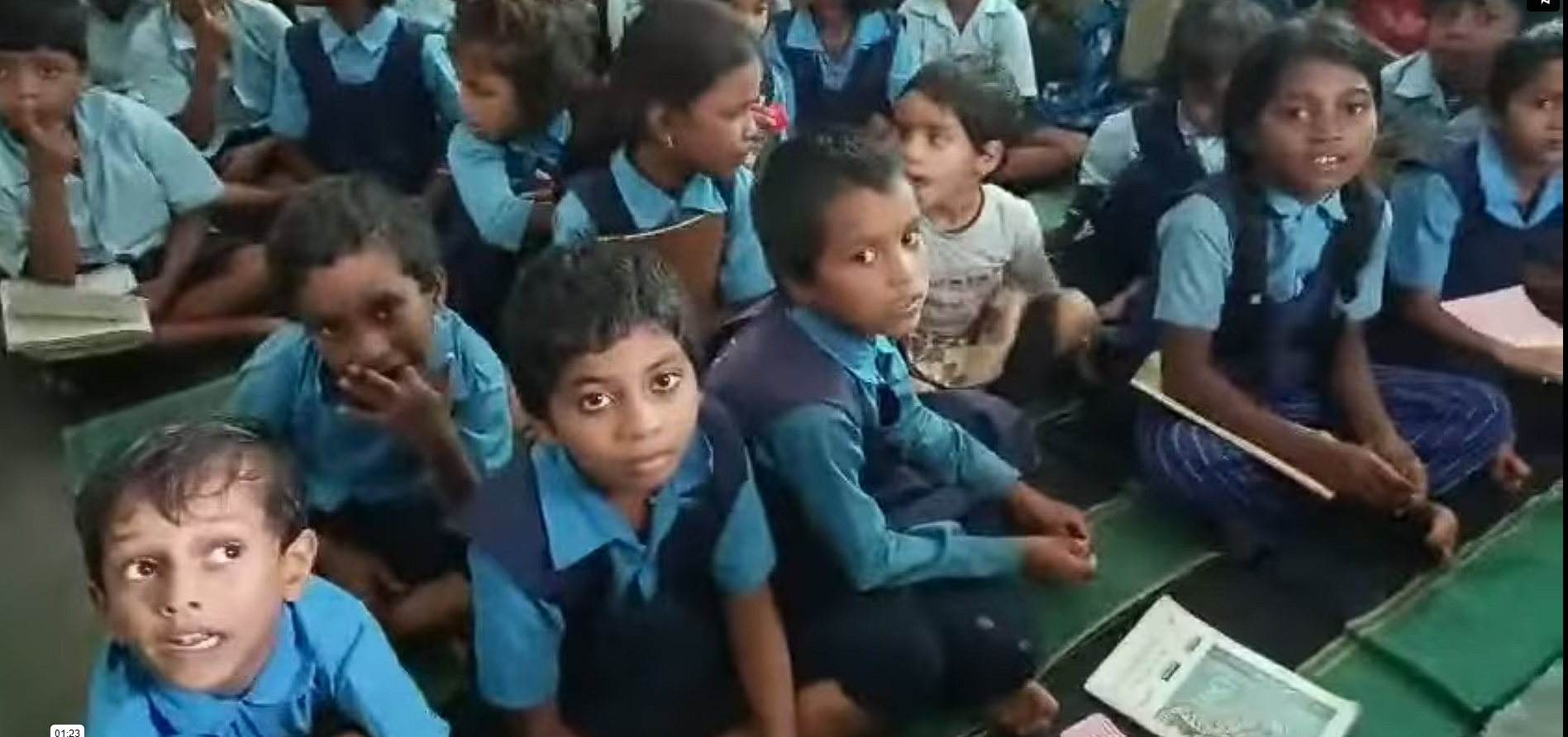
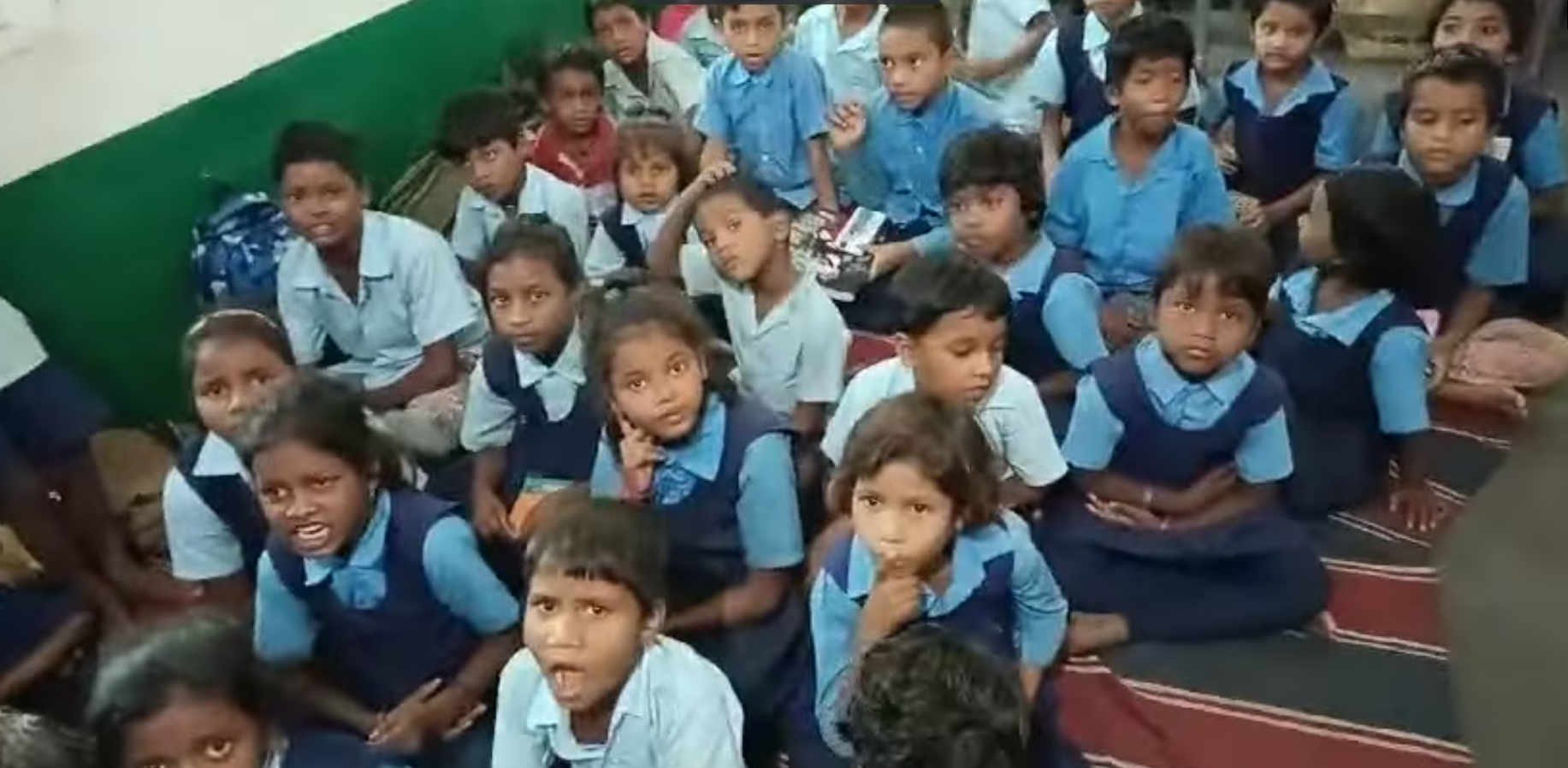
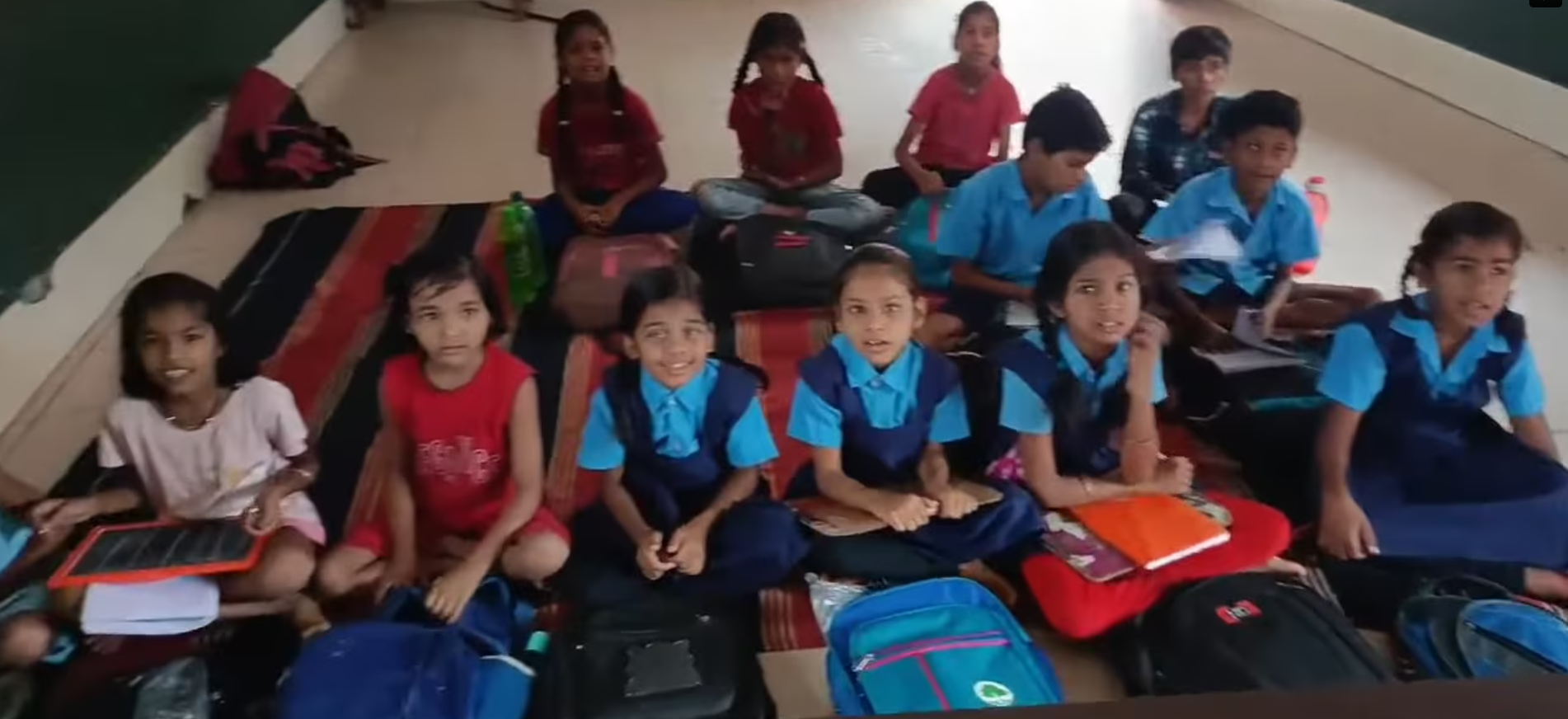
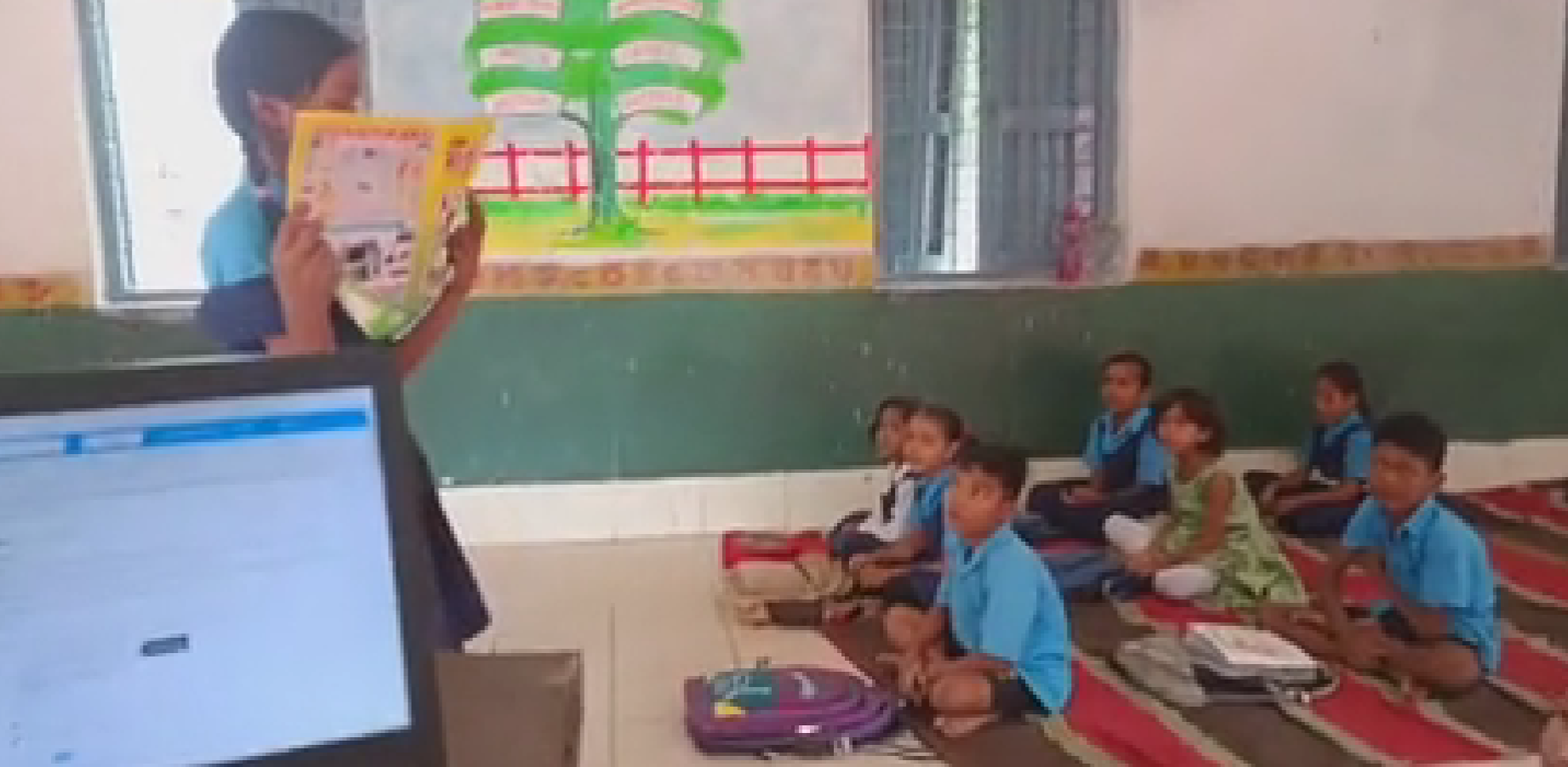
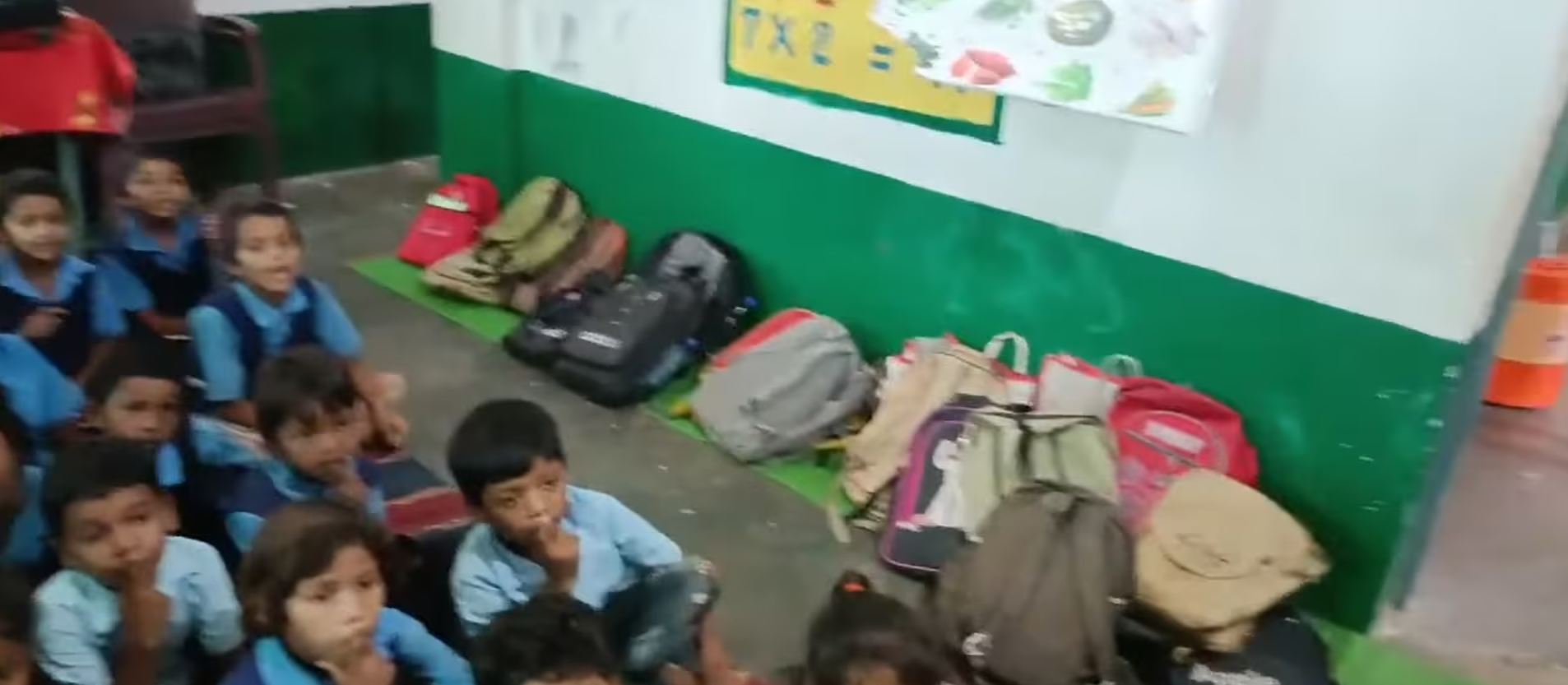
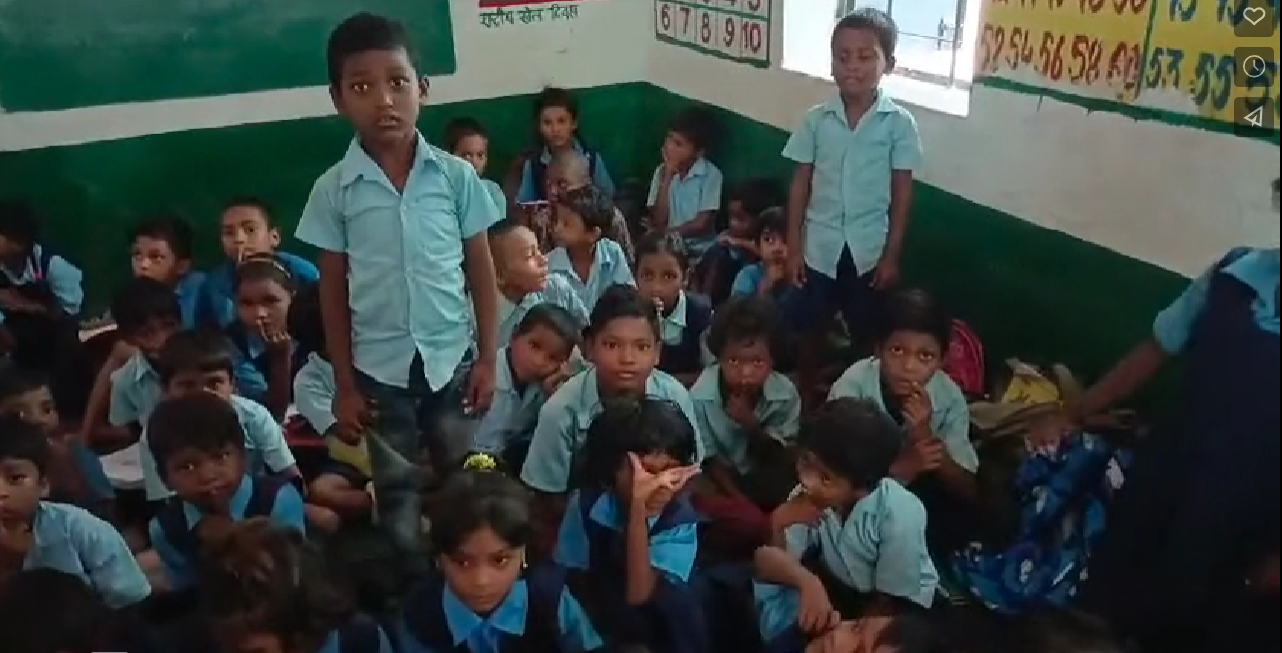
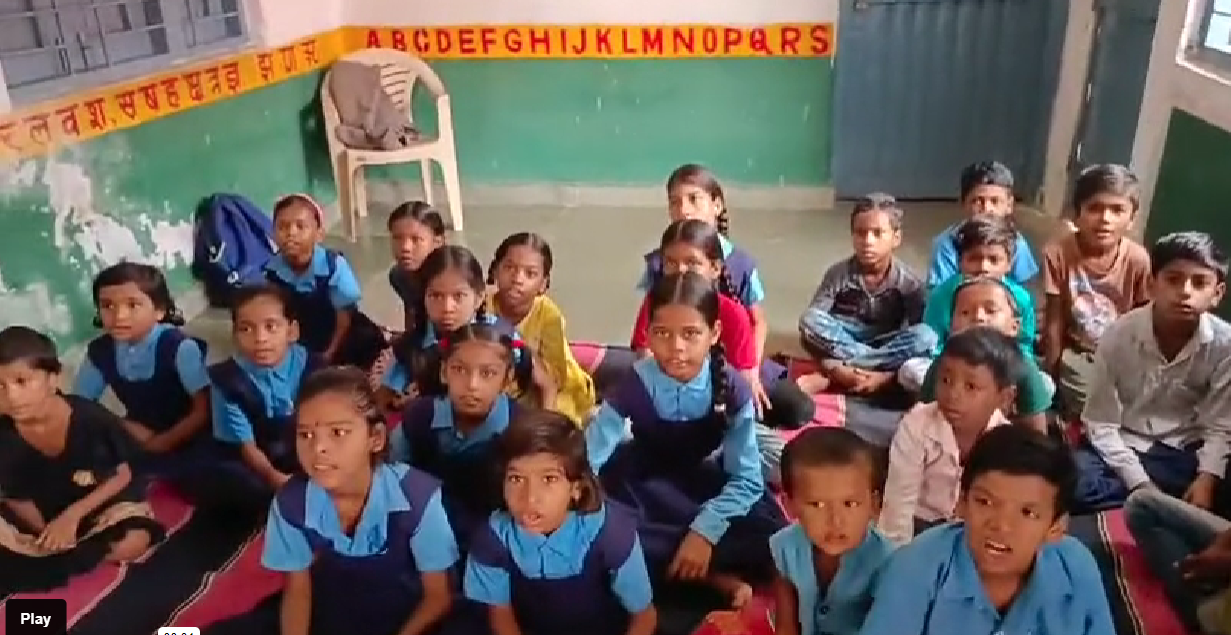
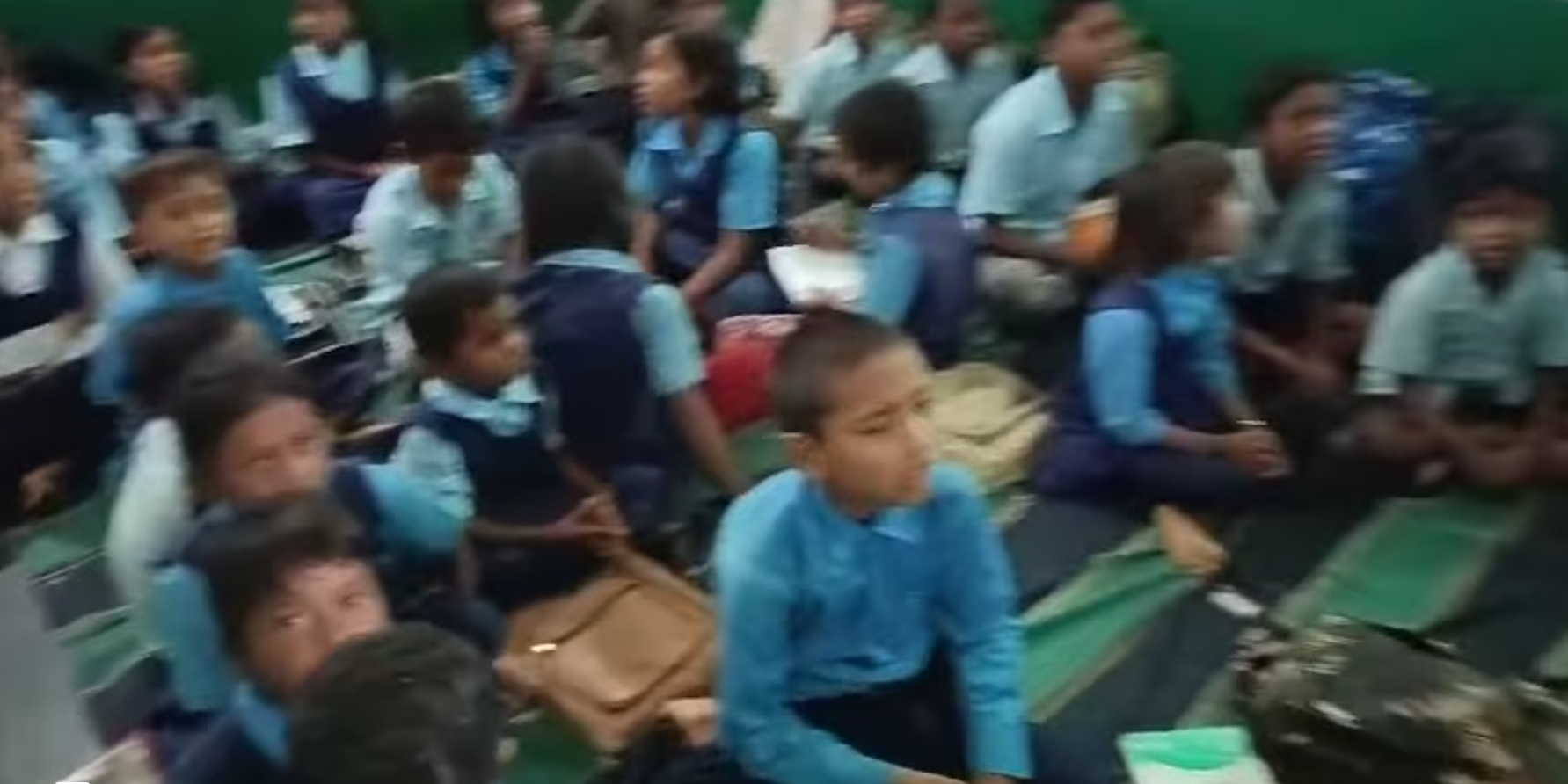
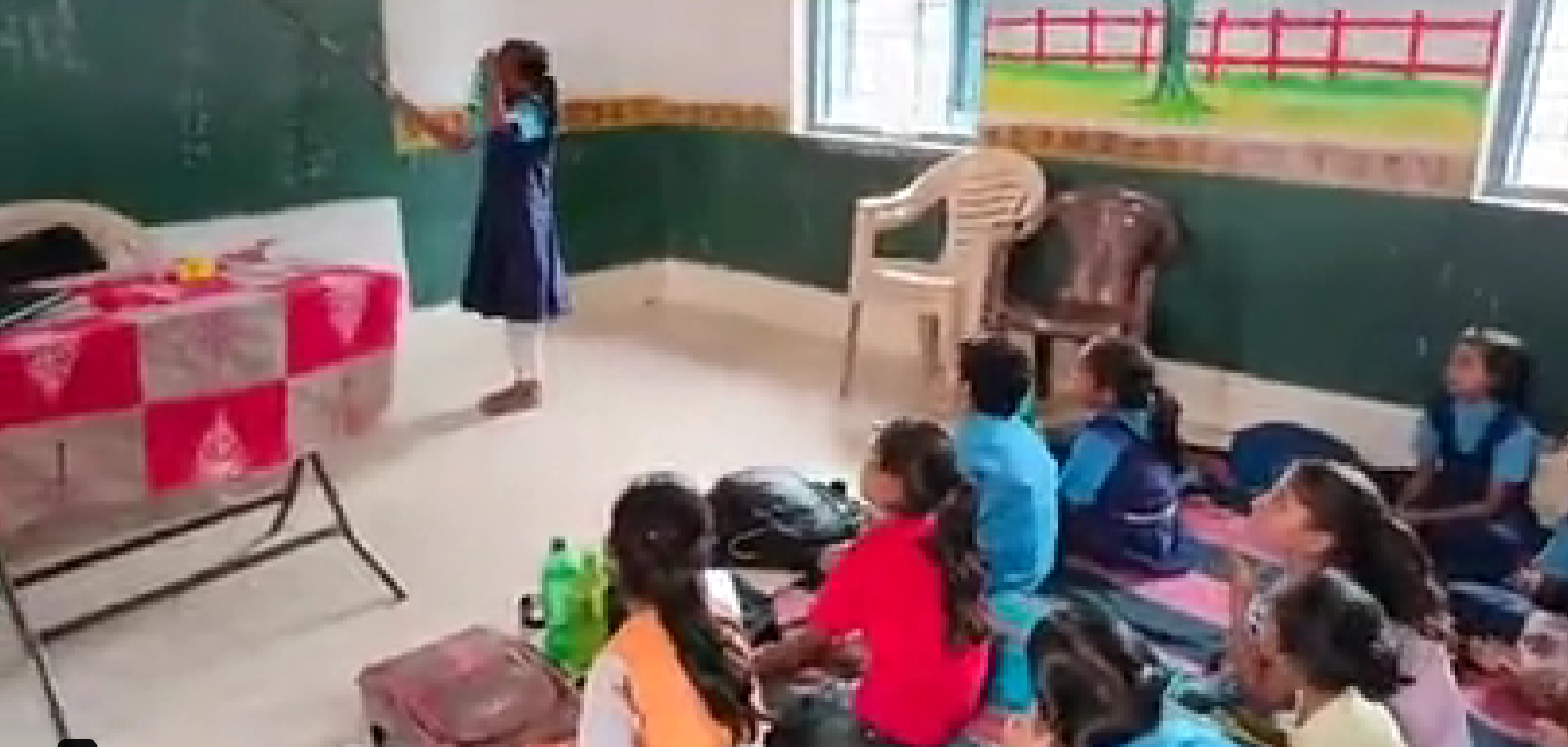
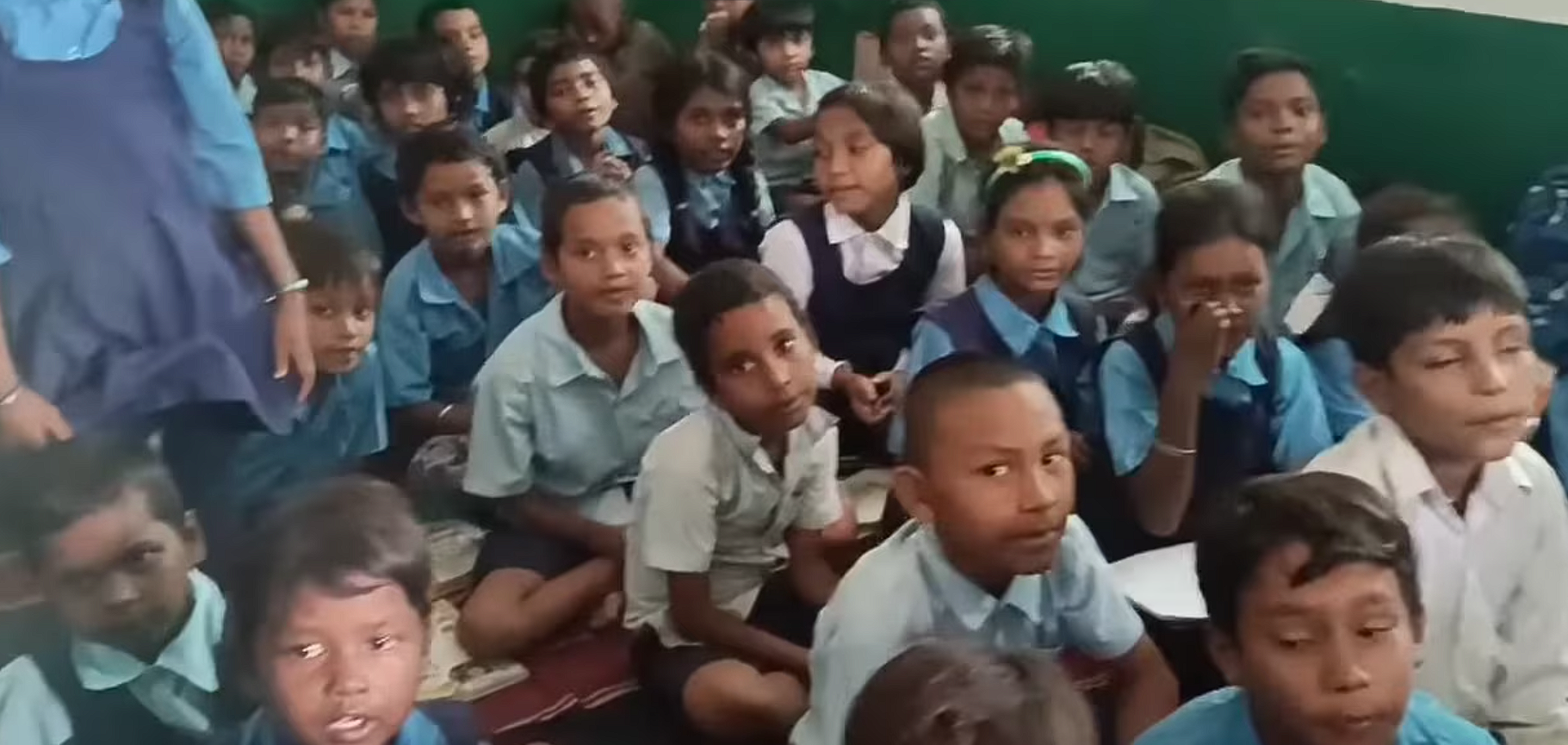
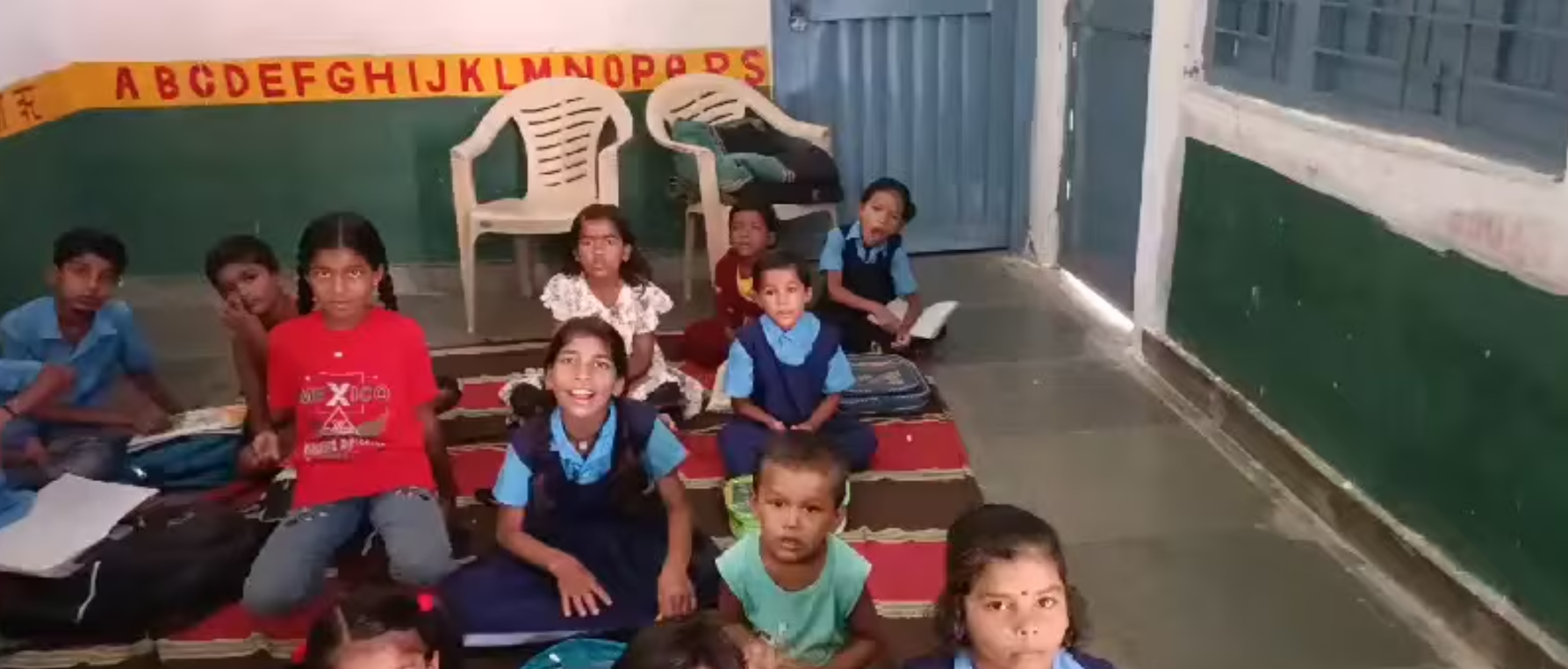
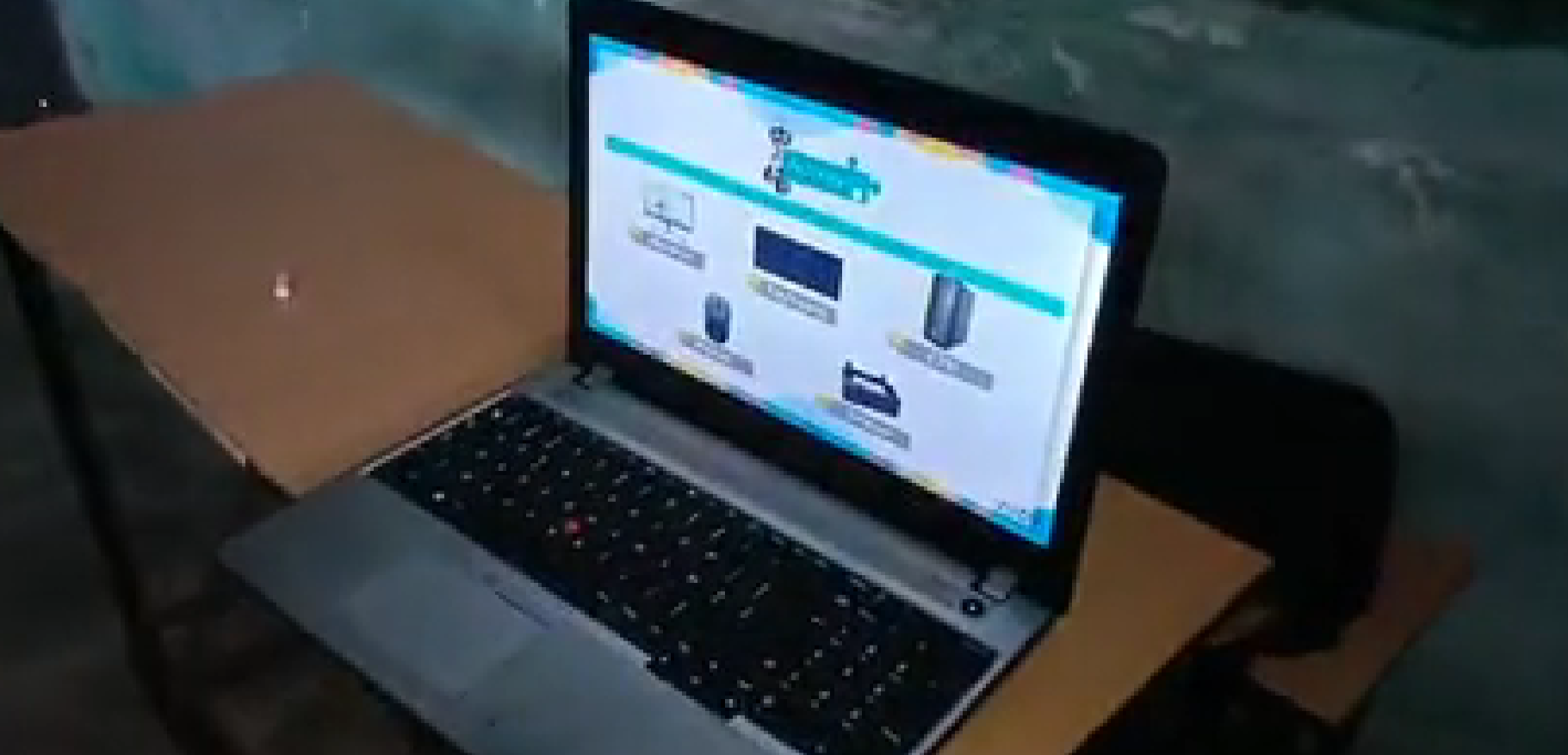
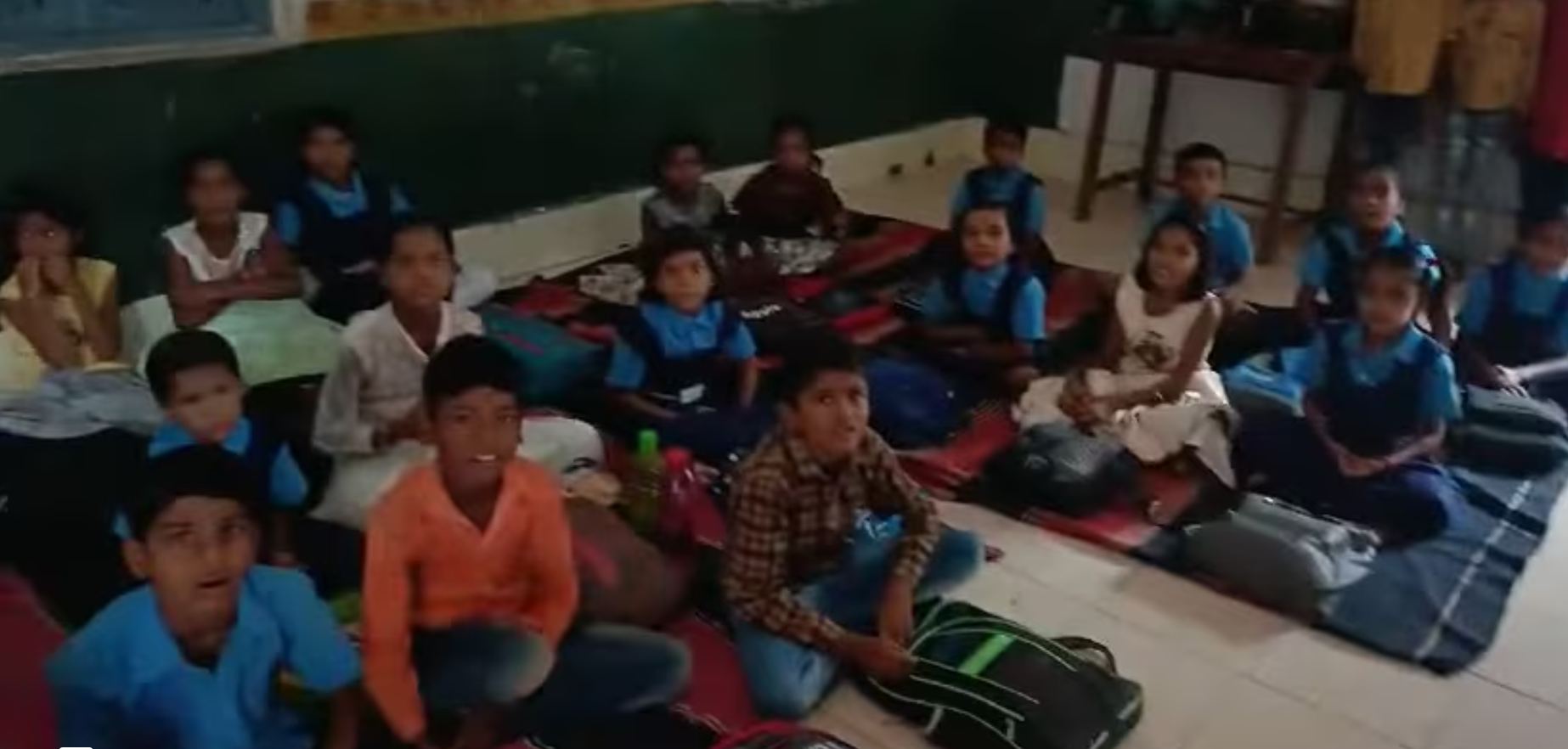
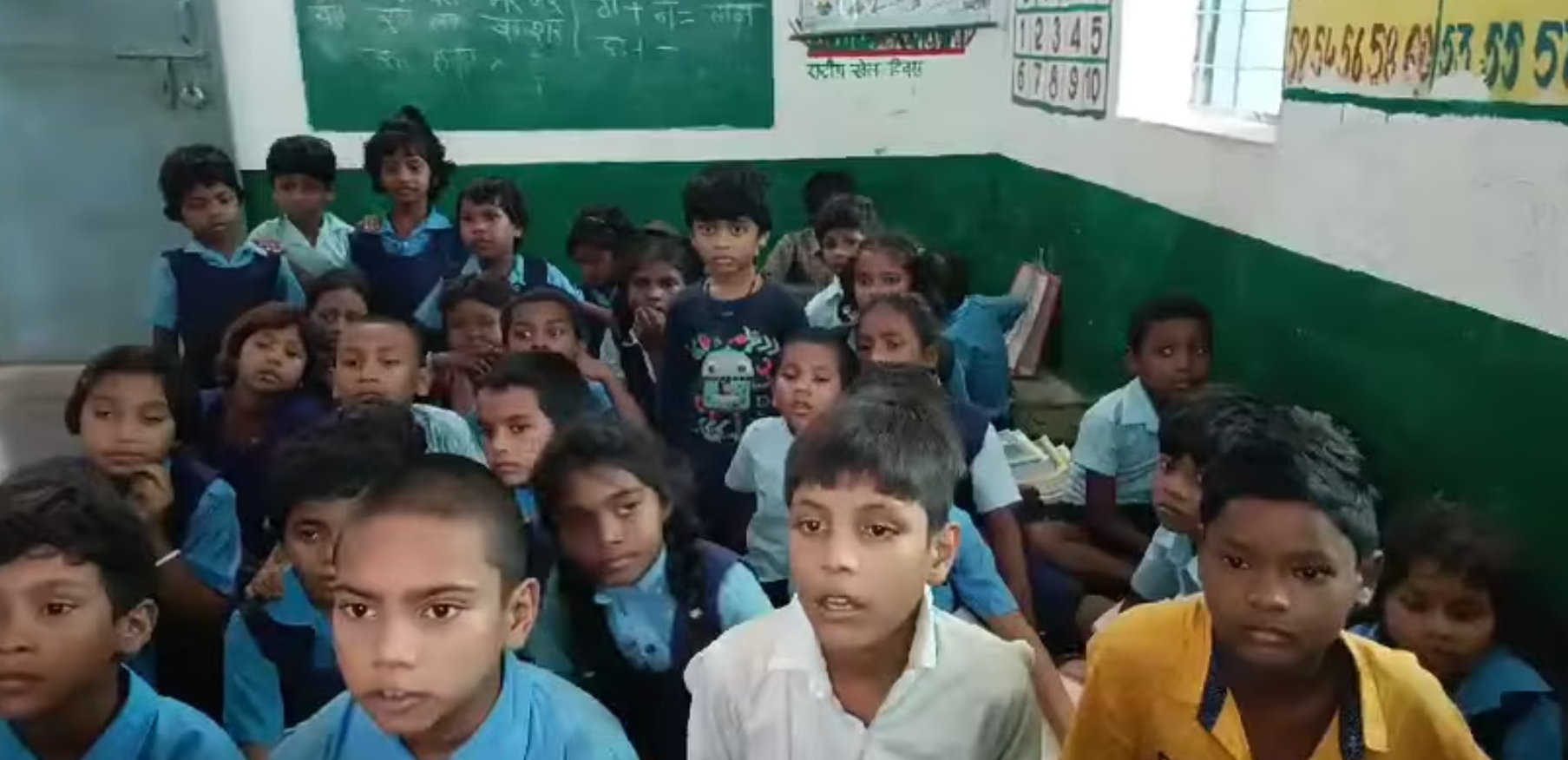
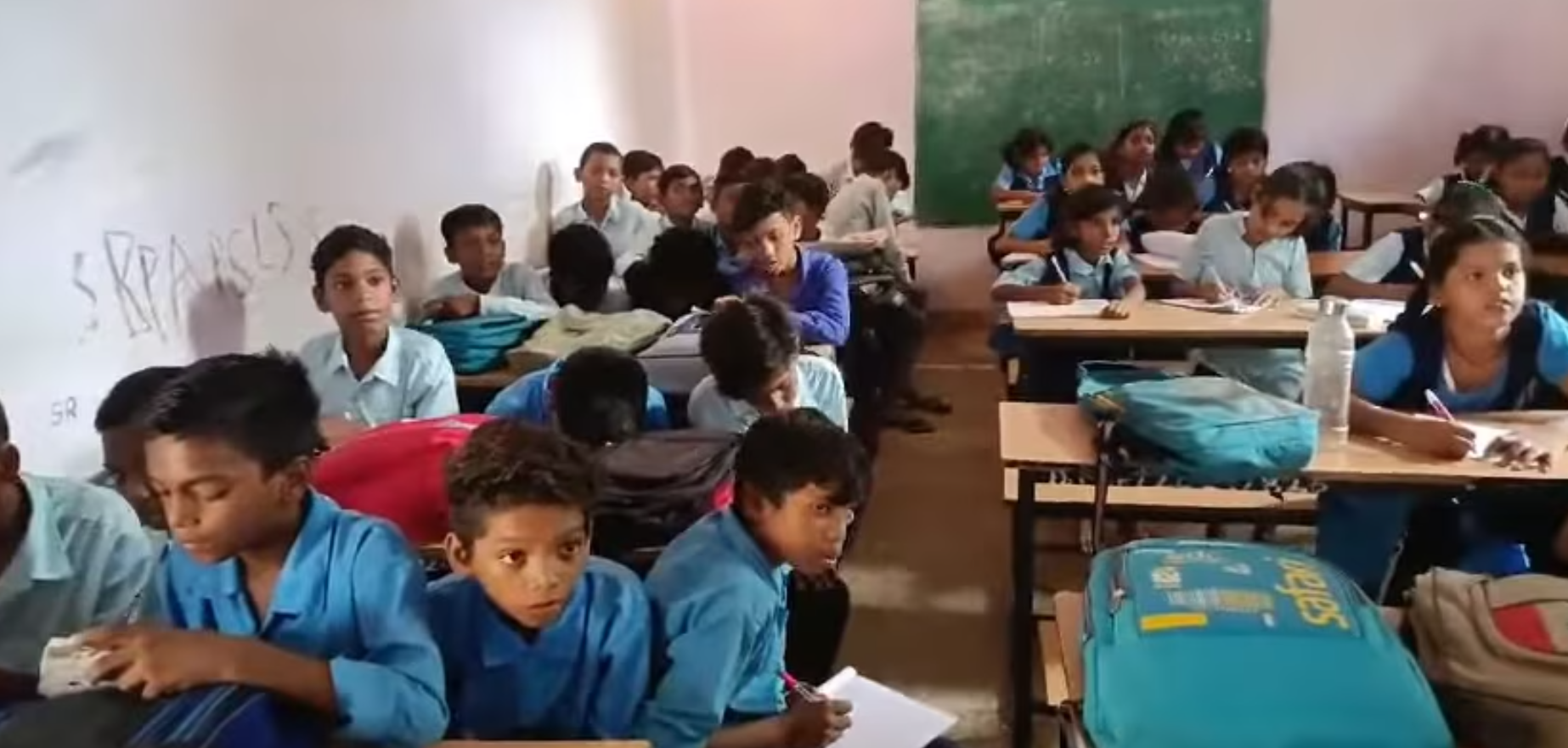
CLAS, an initiative by WES Foundation ( Wazir Education Society) aims to provide computer literacy and basic education to rural and tribal children in India.
It focuses on addressing the critical need for computer literacy and basic education among children in these underserved communities, fostering a fun learning environment to bridge educational gaps and empower future generations.
See The Programme Module In Detail
This booklet is available for free to everyone. You are welcome to customize it, add your own branding, and use it as needed. No copyright restrictions!
If you would like to:
Please feel free to reach out to us!
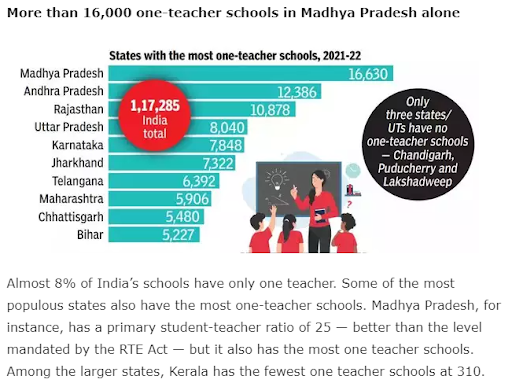
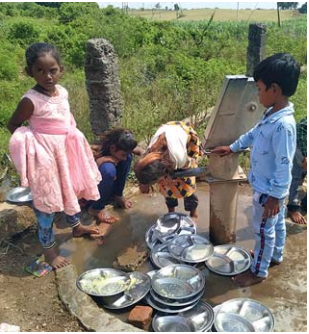
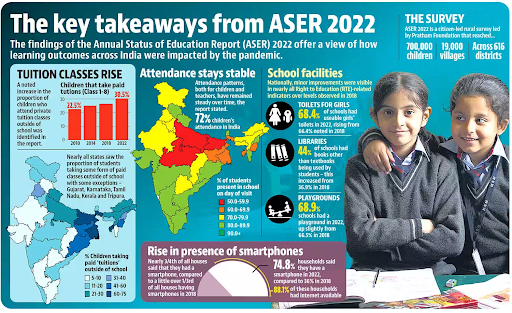
In India, access to Education remains a pressing issue, especially in rural and tribal areas.
| Time (min) | Activity | Details |
|---|---|---|
|
5 |
Start with a fun activity to engage students. Use a video and encourage participation. |
|
|
5 |
Show a 2-minute rhyming video, then explain in 3 minutes. Focus on वर्णमाला (alphabet). |
|
|
5 |
Play a 2-minute rhyming video, followed by a 3-minute explanation. Focus on phonics and words |
|
|
5 |
Use a 2-minute rhyming video, then explain for 3 minutes. Cover numbers 1-10 and basic operations. |
|
|
8 |
Show 3-4 minutes of basic computer clips, then explain the concept in simple terms. |
|
|
8 |
Q & A Session |
Allow students to ask questions. Provide detailed answers and encourage participation |
|
20 |
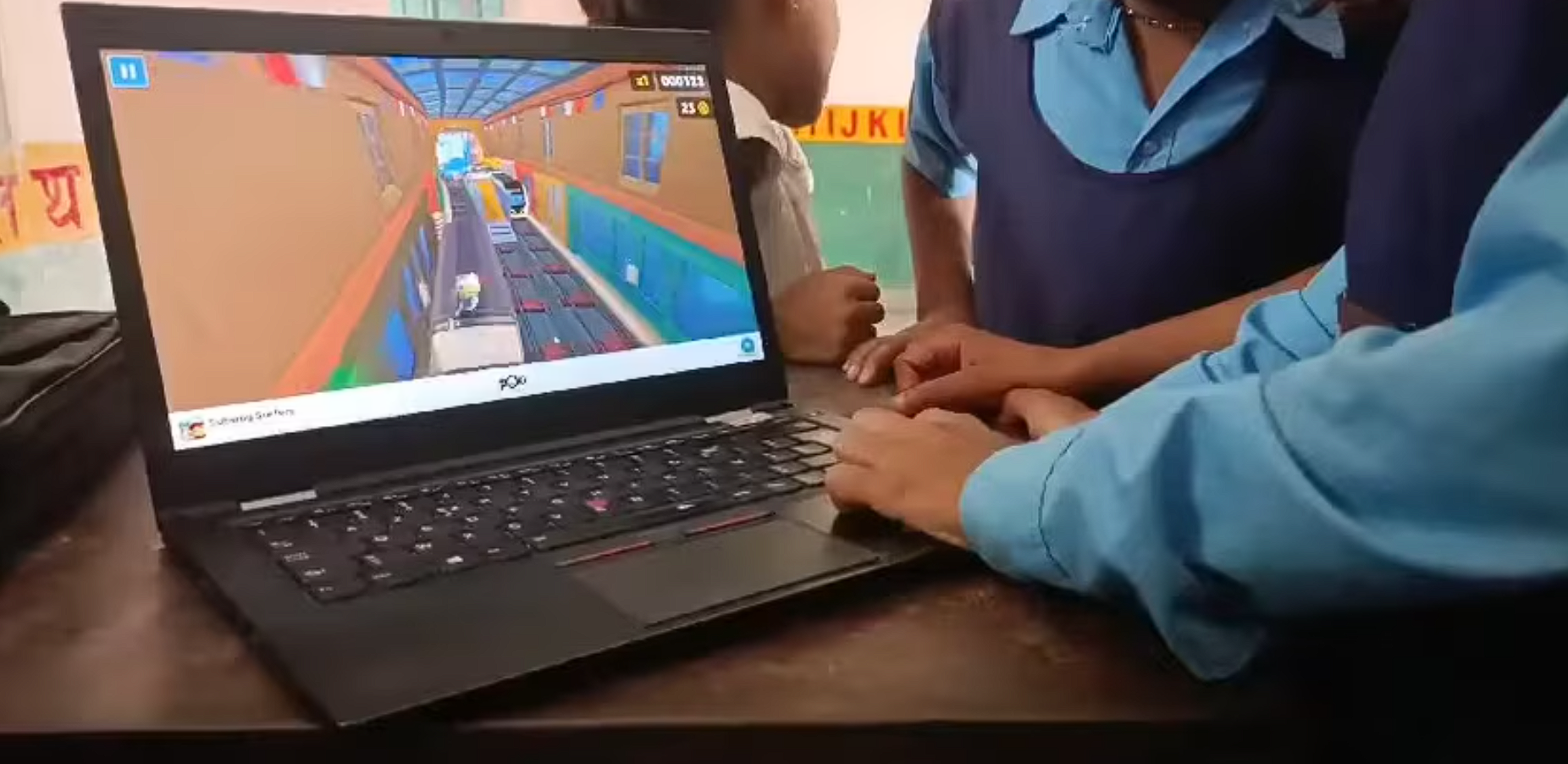
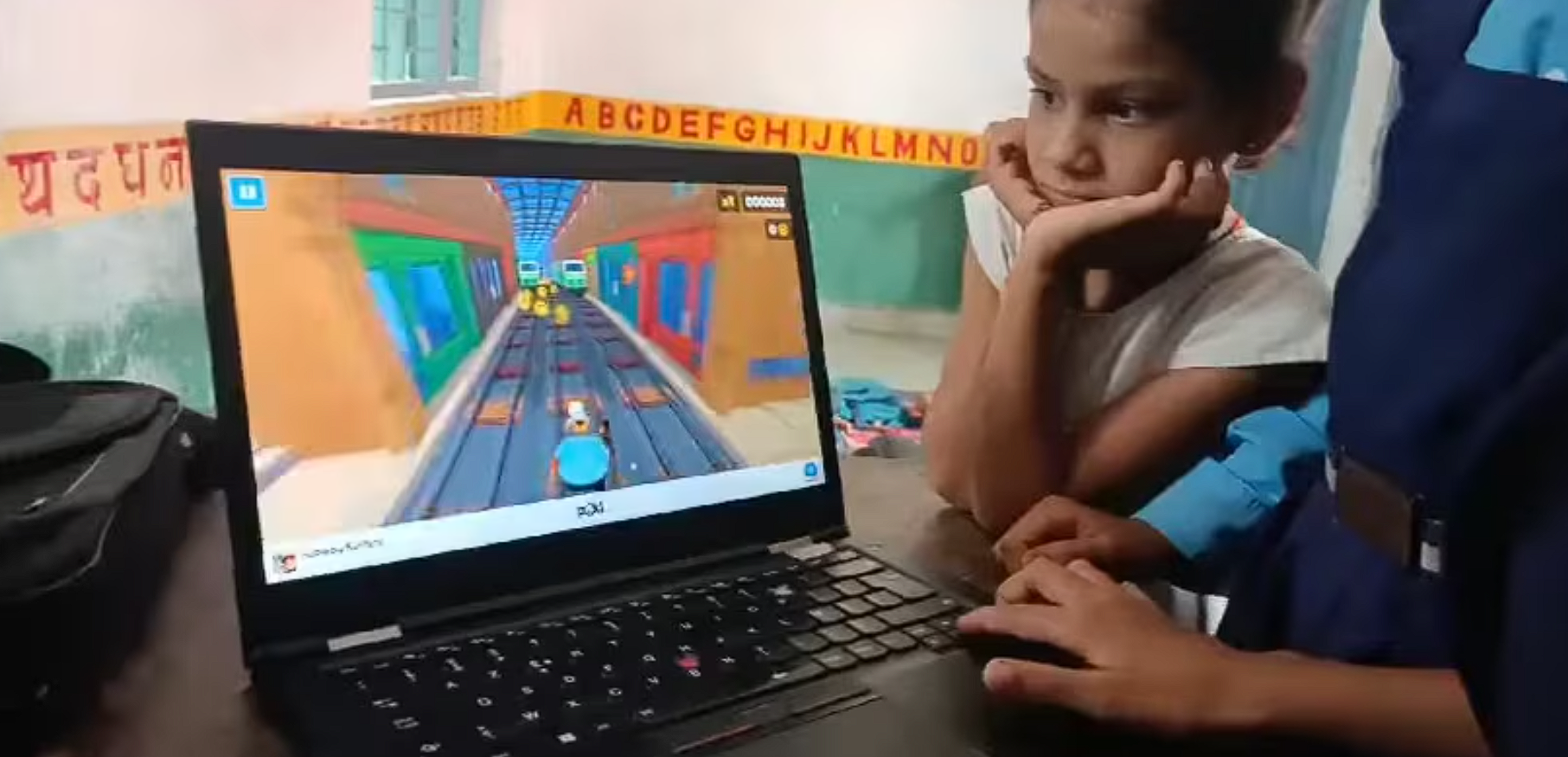
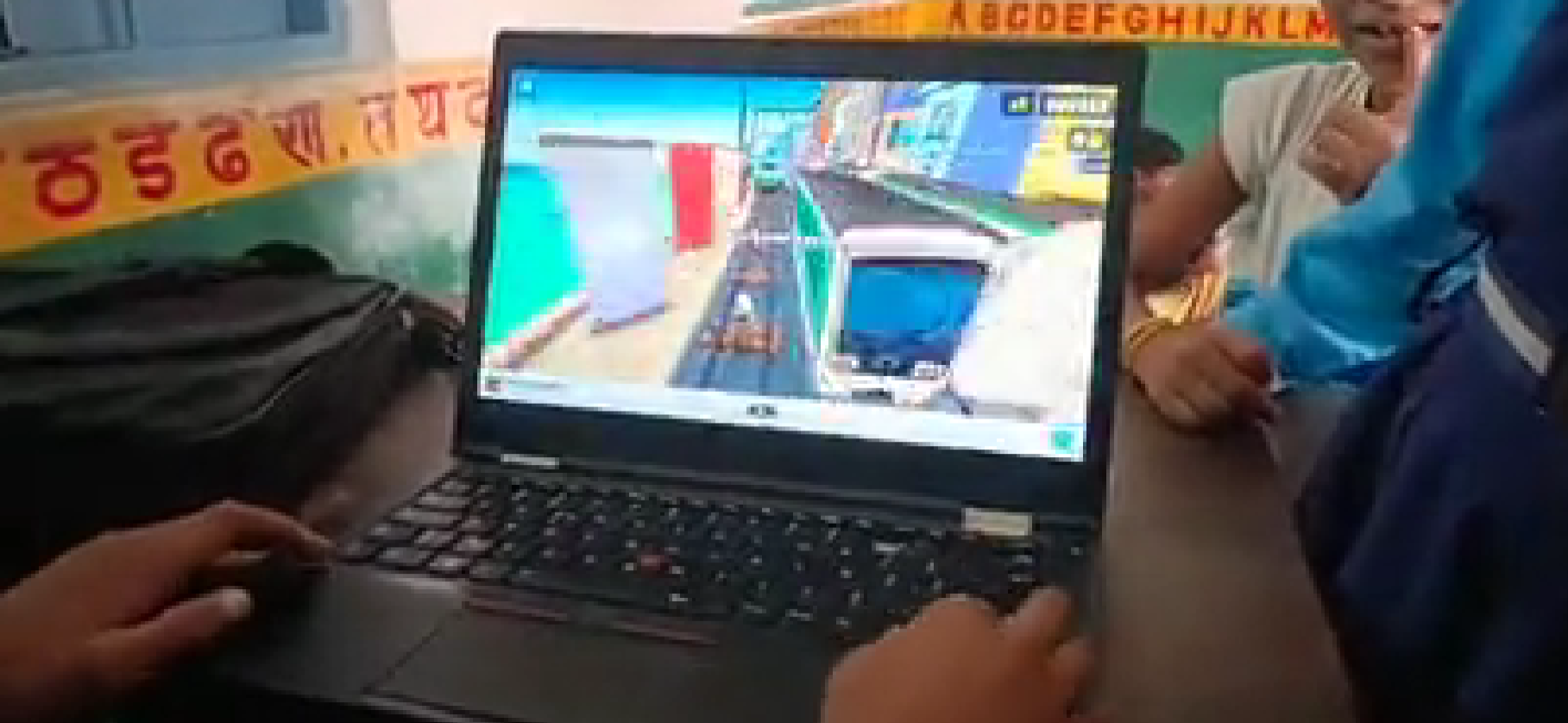
Best performing students play video games. Use this as a motivational tool and let others watch. |
|
|
2 |
Mindfulness |
Conduct a brief mindfulness exercise and recap the session. |
|
2 |
Closing |
End with final thoughts, assign optional homework, and greet students as they leave. |
Our CLAS project aligns with multiple SDGs, addressing foundational literacy, economic upliftment, equitable access to education and fostering partnerships to amplify impact in marginalized communities.
SDG 4: Quality Education – CLAS is primarily centered on enhancing foundational literacy and digital learning for marginalized children, aiming to improve engagement and retention in school.
SDG 1: No Poverty – By equipping students with essential educational and digital skills, CLAS addresses poverty at its roots, empowering students for future self-sufficiency and upward mobility in economically challenged areas.
SDG 17: Partnerships for the Goals – CLAS emphasizes collaboration with other organizations, enhancing resources, training, and outreach to ensure broader impact and sustainability.
SDG 10: Reduced Inequalities – The project supports equal learning opportunities for tribal and rural students, many of whom are first-generation learners, thereby reducing educational disparities in underserved communities.
SDG 16: Peace, Justice, and Strong Institutions – CLAS fosters inclusivity and civic engagement by strengthening the educational foundation within tribal and rural communities, contributing to long-term resilience and social cohesion.
See in detail Our Work On Sustainability